Université Libre de Bruxelles · Faculty of Pharmacy

Where chemistry meets medicine.

The Laboratory of Medicinal and Translational Chemistry designs and synthesizes novel small molecules to combat human disease — with a focus on smart drugs for cancer immunotherapy.

Scroll to explore
44+
Publications
8
Team Members
15+
Years of Research
3
Active Research Areas

Multi-disciplinary science at the frontier of medicine

At the LMTC, we are dedicated to advancing medicinal chemistry and translational science. Our research leverages complementary, multi-disciplinary skills to advance both fundamental projects and practical applications — from drug discovery to novel anticancer medicines.

Our work is rooted in synthetic and bioorganic chemistry, as well as inorganic medicinal chemistry — branching into nanomedicine, theoretical chemistry, oncology, and biomedical sciences.

01 ·
Cancer Immunotherapy
Design and synthesis of small molecules targeting the innate immune pathway. Pioneering STING agonists for glioblastoma and other solid tumors.
02 ·
Inorganic Medicinal Chemistry
Novel metal-based anticancer therapeutics: platinum, gold, ruthenium and osmium complexes with targeted activity and improved selectivity profiles.
03 ·
Drug Design & Synthesis
Exploration of halogen bonding, molecular self-assembly, theoretical chemistry and rational drug design to identify new therapeutic leads.

"When it comes to atoms, language can be used only as in poetry. The poet, too, is not nearly so concerned with describing facts as with creating images."

— Niels Bohr

Prof. Gilles
Berger

Biography Career Research Awards Grants Teaching Publications Talks & Conferences
Associate Professor · PharmD-PhD
Université Libre de Bruxelles · Faculty of Pharmacy

Prof. Gilles Berger is a translational medicinal chemist with a uniquely broad profile spanning the full spectrum of drug discovery — from computational design and chemical synthesis to in vitro biology and in vivo preclinical models. He leads the Laboratory of Medicinal and Translational Chemistry (LMTC) at the Université Libre de Bruxelles (ULB), where he was appointed Associate Professor in 2021.

After graduating as a Pharmacist (PharmD, magna cum laude, 2005), he gained early industry experience at Pfizer and Erfa before pursuing a PhD in pharmaceutical sciences at ULB (2013), focusing on asymmetric synthesis and anticancer platinum complexes. His postdoctoral journey took him to some of the world's most prestigious research environments: the Hanessian Lab at Université de Montréal, the Lippard Lab at MIT (Fulbright & BAEF Fellow), and Harvard Medical School, where he worked on glioblastoma immunotherapy and the STING innate immunity pathway — then spent six months as Visiting Scholar at the Wyss Institute at Harvard.

His current research focuses on the design and synthesis of stimuli-responsive smart drugs targeting innate immunity for cancer immunotherapy and chronic inflammatory diseases, with a particular emphasis on the cGAS-STING pathway. With 45 publications and growing — including papers in PNAS, JACS, Angew. Chemie, and Trends in Molecular Medicine — his work bridges fundamental chemistry and translational medicine with real clinical impact.

45
Publications
21
First-author papers
10+
Awards & Fellowships
2.5M+
€ in funding

Career Timeline

2021 — Present · Brussels, Belgium
Associate Professor & PI — Université Libre de Bruxelles
Head of the Laboratory of Medicinal and Translational Chemistry (LMTC). Leading research in stimuli-responsive drug design, cancer immunotherapy, and innate immunity modulation. Building a team of PhD students, postdocs, and master students. Teaching Medicinal Chemistry, Pharmacology and Drug Design at ULB and UMONS.
2021 · Cambridge, USA
Visiting Scholar — Wyss Institute at Harvard
David Mooney Lab. Advancing intracranial immunotherapies for brain cancers combining biodegradable implants with innate immunity activators and checkpoint inhibitors.
2019 — 2020 · Boston, USA
Research Fellow — Harvard Medical School
Sean Lawler Lab, Brigham and Women's Hospital. Pioneered research on STING pathway activation in glioblastoma immunotherapy. Led a landmark PNAS study demonstrating NK-cell mediated tumor regression through STING activation. Awarded the Andrew Parsa Young Investigator Award (SNO 2021).
2017 — 2019 · Brussels, Belgium
Postdoctoral Associate — Université Libre de Bruxelles
RD3 — Microbiology, Bioorganic and Macromolecular Chemistry. Drug design and synthesis. Anticancer metallodrugs. Halogen bonding and supramolecular recognition. FNRS Postdoctoral Fellow.
2015 — 2017 · Cambridge, USA
Postdoctoral Fellow — MIT
Stephen J. Lippard Lab. Development of novel anticancer metallodrugs targeting cisplatin-resistant cancer stem cells. Nanodelivery of anticancer agents using tobacco mosaic virus and squalenoyl nanoparticles. Funded by a Fulbright Scholarship and the Belgian American Educational Foundation (BAEF).
2014 · Montreal, Canada
Postdoctoral Associate — Université de Montréal
Stephen Hanessian Lab. Organic synthesis, bioorganic chemistry, folding properties of modified prolines. Organocatalysis and total synthesis. Published in Angew. Chemie (first author) and Eur. J. Org. Chem.
2008 — 2013 · Brussels, Belgium
PhD — Université Libre de Bruxelles
Doctoral thesis: "Synthesis of chiral vicinal diamines and in vitro anticancer properties of their platinum(II) coordinates." Advisors: Prof. François Dufrasne and Prof. Jean Nève. Combined organic synthesis, theoretical chemistry (DFT), and anticancer biology.
2005 — 2008 · Industry
Pharmacist — Pfizer & Erfa
Industry experience as a licensed pharmacist prior to entering academic research. Provides a grounded perspective on the pharmaceutical development pipeline and translational research.

Research Directions

The LMTC's research orbits around a central ambition: designing smart drugs that act precisely where and when they are needed. Our work integrates synthetic chemistry, computational modeling, and translational biology to bring novel therapeutic concepts to life.
01 ·
cGAS-STING Immunotherapy
The STING pathway sits at the crossroads of innate immunity and cancer biology. We design and evaluate small molecules that modulate this pathway — activating it to heat up cold tumors, or inhibiting it to suppress chronic sterile inflammation in age-related diseases.
02 ·
Stimuli-Responsive Smart Drugs
We develop prodrugs that are activated by specific biological or physical stimuli — including reactive oxygen species, ultrasound, and ionizing radiation — to achieve precise spatiotemporal drug delivery. This strategy combines combined radio-immunotherapy with targeted cancer immunotherapy.
03 ·
Inorganic Medicinal Chemistry
Metal-based anticancer therapeutics — platinum, gold, ruthenium, and osmium complexes — form a key pillar of our research. We explore their mechanisms of action, selectively and translational potential in glioblastoma, lung cancer, and other difficult-to-treat tumors.
04 ·
Halogen Bonding & Supramolecular Chemistry
We investigate halogen bonding as a versatile tool for molecular recognition, crystal engineering, and drug design — contributing foundational work on non-covalent interactions in pharmaceutical and materials sciences.
05 ·
Theoretical & Computational Chemistry
DFT calculations and computational modeling underpin our synthetic and mechanistic work — from rationalizing reaction selectivity and conformational properties to understanding drug-target interactions and prodrug activation mechanisms.
06 ·
Neurodegeneration & Inflammaging
Beyond cancer, chronic low-level innate immune activation contributes to Alzheimer's, Parkinson's, and age-related diseases. We develop molecularly targeted approaches to modulate this inflammation — an emerging frontier with no disease-modifying therapies currently available.

Awards & Honours

2023
Maricq Award
Awarded for the best work applying physicochemical methods in drug analysis or toxicological research (Berger et al., Inorg. Chem. 2021)
2021
Andrew Parsa Young Investigator Award
American Society for Neuro-Oncology (SNO) — awarded for groundbreaking work on STING activation in glioblastoma models (PNAS 2022)
2020
Potential Future Leader — EuChemS
Nominated by the European Chemical Society Division of Chemistry in Life Sciences
2016
Young Investigator Award — Pharmaceutical Chemistry
Awarded by the Belgian Committee of Medicinal Chemists
2015
Fulbright Scholar
U.S.-Belgium Fulbright Commission — research fellowship at MIT (Lippard Lab)
2015
BAEF & Hoover Foundation Fellow
Belgian American Educational Foundation fellowship — MIT (Lippard Lab)
2011
UCB-Pharma Award — Medicinal Chemistry Days
Belgium
2010
Best Scientific Communication
PhD Day, Belgium

Grants & Fellowships

2025
FNRS-ASP
160 k€
2025
FNRS-CR (Research Credit)
1,600 k€
2024
FNRS-CDR
62 k€
2023
FNRS-PDR (Research Project)
155 k€
2023
FNRS-FRIA Doctoral Fellowship
150 k€
2023
Télévie Grant
200 k€
2022
FNRS-CDR
60 k€
2018
FRS-FNRS Postdoctoral Fellow
200 k€
2015
Fulbright Scholarship
15 k€
2015
Belgian American Educational Foundation (BAEF)
45 k€
2015
ULB Postdoctoral Fellowship
150 k€

Teaching

Full Publication List

45 peer-reviewed publications · Multiple covers · JACS · PNAS · Angew. Chemie · Trends Mol. Med. and more

(45)
Synthesis, Characterization, and Biological Activity of Cationic Ruthenium–Arene Complexes with Sulfur Ligands
Zain Aldin, M.; Zaragoza, G.; Choquenet, E.; Blampain, G.; Berger, G.; Delaude, L.
J. Biol. Inorg. Chem. 2024, 29 (4), 441–454
(44)
Pseudodiproline (Pro-Cyp) Oligomers Fold into Helical Polyproline Type Secondary Structures
Garsi, J. B.; Aguiar, P. M.; Berger, G.; Maris, T.; Hanessian, S.
(43)
An Anti-Glioblastoma Gold(I)–NHC Complex Distorts Mitochondrial Morphology and Bioenergetics to Induce Tumor Growth Inhibition
Greif, C. E.; Mertens, R. T.; Berger, G.; Awuah, S. G.; Parkin, S.
(42)
Halogen-Bonded Thiophene Derivatives — Evidence of N···S Chalcogen Bonds in Homo- and Cocrystals
Kumar, S.; Body, C.; Leyssens, T.; et al.; Berger, G.; Meyer, F.
Cryst. Growth Des. 2023, 23, 2442–2454
(41)
Synthesis and Biological Activity of Iron, Nickel, Copper, and Zinc Complexes of Aliphatic Hydroxamic Acids
Sow, I. S.; Gelbcke, M.; Meyer, F.; et al.; Berger, G.; Dufrasne, F.
J. Coord. Chem. 2023, 76 (1), 76–105
(40)
A Pt(IV)-Conjugated Brain Penetrant Macrocyclic Peptide Shows Pre-Clinical Efficacy in Glioblastoma
Jimenez-macias, J. L.; Lee, Y.; Miller, E.; Berger, G.; et al.; Pentelute, B. L.
(39)
STING Activation Promotes Robust Immune Response and NK-Cell Mediated Tumor Regression in Glioblastoma Models
Berger, G.; Knelson, E.; Nowicki, M. O.; Jimenez, J. L.; Stafford, A.; Mooney, D. J.; Chiocca, A.; Barbie, D. A.; Lawler, S. E.
(38)
Surprising Chemistry of 6-Azidotetrazolo[5,1-a]Phthalazine: Polymorphism of Explosives
Arnold, J. E.; Morency, M.; Chartrand, D.; Maris, T.; Berger, G.; Day, G. M.; Hanessian, S.; Wuest, J. D.
J. Org. Chem. 2022, 87, 6680–6694
(37)
Directed Self-Assembly of Ruthenium and Osmium Nanoparticles Display Potent In Vivo Anticancer Profile by Interfering with Metabolic Activity
Marloye, M.; Mathieu, V.; Debaille, V.; Nowicki, M. O.; Meyer, F.; Lawler, S. E.; Dufrasne, F.; Berger, G.
(36)
Stable Au(I) Catalysts for Oxidant-Free C-H Functionalization with Iodoarenes
Mertens, R. T.; Greif, C. E.; Coogle, J. T.; Berger, G.; Parkin, S.; Watson, M. D.; Awuah, S. G.
J. Catal. 2022
(35)
Effect of Revascularization on Intramuscular VEGF Levels in Peripheral Arterial Disease
Schawe, L.; Raude, B.; et al.; Berger, G.; et al.
Biomolecules 2022, 10(2), 471–481
(34)
Catalytic Properties of 4,5-Bridged Proline Methano- and Ethanologues in the Hajos-Parrish Intramolecular Aldol Reaction
Berger, G.*; Hocine, S.*; Houk, K.; Hanessian, S. (*Co-first author)
(33)
Synthesis, Structure and Anticancer Properties of Biotin- and Morpholine-Functionalized Ru and Os Half-Sandwich Complexes
Marloye, M.; Dufrasne, F.; Meyer, F.; Berger, G.
J. Biol. Inorg. Chem. 2021, 26, 535–549
(32)
Reduction Mechanism of Anticancer Osmium(VI) Complexes Revealed by Atomic Telemetry and Theoretical Calculations
Berger, G.; Wach, A.; Sá, J.; Szlachetko, J.
(31)
Halogen Bonding for Molecular Recognition: New Developments in Materials and Biological Sciences
Berger, G.; Frangville, P.; Meyer, F.
(30)
Design and Synthesis of Backbone-Fused, Conformationally Locked Bridged Morpholine-Proline Chimeras
Hocine, S.; Berger, G.; Hanessian, S.
J. Org. Chem. 2020, 85, 6, 4237–4247
(29)
Current Patent Status of STING Agonists for Cancer Immunotherapy
Marloye, M.; Lawler, S. E.; Berger, G.
Pharm. Pat. Anal. 2019, 8, 87–90
(28)
Methyl Arachidonyl Fluorophosphonate Inhibits Mycobacterium tuberculosis TesA Thioesterase
Yang, D.; Vandenbussche, G.; et al.; Berger, G.; Fontaine, V.
FEBS Lett. 2019, 1–15
(27)
Direct Intramolecular Carbon(sp²)-Nitrogen(sp²) Reductive Elimination from Gold(III)
Kim, J. H.; Mertens, R. T.; Agarwal, A.; Parkin, S.; Berger, G.; Awuah, S. G.
Dalton Trans. 2019, 48, 6273–6282
(26)
Pharmacological Modulation of the STING Pathway for Cancer Immunotherapy
Berger, G.; Marloye, M.; Lawler, S. E.
(25)
Novel Non-Nucleotidic STING Agonists for Cancer Immunotherapy (Invited Editorial)
Berger, G.; Lawler, S. E.
Future Med. Chem. 2018, 10(24), 2767–2769
(24)
Crystal Packing and Theoretical Analysis of Halogen- and Hydrogen-Bonded Hydrazones from Pharmaceuticals
Berger, G.; Soubhye, J.; Robijns, K.; Meyer, F.
Acta Cryst. 2018, B74, 618–627
(23)
Speciation of Phenanthriplatin and Its Analogs in the Core of Tobacco Mosaic Virus
Vernekar, A.; Berger, G.; Czapar, A.; Wang, D. I.; Steinmetz, N.; Lippard, S. J.
(22)
Anticancer Activity of Osmium(VI) Nitrido Complexes in Patient-Derived Glioblastoma Initiating Cells and In Vivo Mouse Models
Berger, G.; Grauwet, K.; Zhang, H.; Hussey, A. M.; Nowicki, M. O.; Wang, D. I.; Chiocca, E. A.; Lawler, S. E.; Lippard, S. J.
Cancer Lett. 2018, 416, 138–148
(21)
Metal Coordination-Controlled and Bifunctional H-Bonded Catalysis in Stereoselective Intramolecular Aldol Cyclizations
Chen, B.; Berger, G.; Hanessian, S.
Eur. J. Org. Chem. 2017, 2631–2636
(20)
Triple-Stimuli Responsive Polymers with Fine Tuneable Magnetic Response
Chikh Alard, I.; Soubhye, J.; Berger, G.; et al.; Meyer, F.
Polym. Chem. 2017, 8, 2450–2456 ★ Front Cover
(19)
Properties of the Amide Bond Involving Proline 4,5-Methanologues: An Experimental and Theoretical Study
Berger, G.; Chab-Majdalani, I.; Hanessian, S.
Isr. J. Chem. 2017, 57 (3–4), 292–302
(18)
A Survey of the Mechanisms of Action of Anticancer Transition Metal Complexes
Marloye, M.; Berger, G.; Gelbcke, M.; Dufrasne, F.
Futur. Med. Chem. 2016, 8 (18), 2263–2286
(17)
Development of Controlled-Release Cisplatin Dry Powders for Inhalation Against Lung Cancers
Levet, V.; Rosière, R.; Merlos, R.; Fusaro, L.; Berger, G.; Amighi, K.; Wauthoz, N.
Int. J. Pharm. 2016, 515 (1–2), 209–220
(16)
Novel Bis-Arylalkylamines as Myeloperoxidase Inhibitors: Design, Synthesis, and SAR Study
Aldib, I.; Gelbcke, M.; Soubhye, J.; et al.; Berger, G.; Van Antwerpen, P.
Eur. J. Med. Chem. 2016, 123, 746–762
(15)
Strategies Toward the Total Synthesis of Calyciphylline B-Type Alkaloids: A Computational Perspective Aided by DFT
Chattopadhyay, A. K.; Berger, G.; Hanessian, S.
J. Org. Chem. 2016, 81, 5074–5086
(14)
Total Synthesis of Isodaphlongamine H
Chattopadhyay, A. K.; Ly, V. L.; Jakkepally, S.; Berger, G.; Hanessian, S.
Angew. Chemie Int. Ed. 2016, 55, 2577–2581
(13)
Resonant X-Ray Emission Spectroscopy of Platinum(II) Anticancer Complexes
Sá, J.; Czapla-Masztafiak, J.; Lipiec, E.; Kayser, Y.; Fernandes, D. L. A.; Szlachetko, J.; Dufrasne, F.; Berger, G.
Analyst 2016, 141 (4), 1226–1232
(12)
Halogen Bonding in a Multi-Connected 1,2,2-Triiodo-Alkene: A Crystallographic and DFT Study
Berger, G.; Robeyns, K.; Soubhye, J.; Wintjens, R.; Meyer, F.
CrystEngComm 2016, 18, 683–690
(11)
Structural Properties and Stereochemically Distinct Folding Preferences of 4,5-cis and trans-Methano-L-Proline Oligomers — Shortest Crystalline PPII-Type Helical Proline Tetramer
Berger, G.; Vilchis-Reyes, M.; Hanessian, S.
(10)
Use of Resonant X-Ray Emission Spectroscopy for the Electronic Analysis of Metal Complexes and Their Interactions with Biomolecules
Sá, J.; Czapla-Masztafiak, J.; et al.; Berger, G.; Dufrasne, F.; Szlachetko, J.
Drug Discov. Today Technol. 2015, 16, 1–6
(8)
Insights into the SAR of Chiral 1,2-Diaminophenylalkane Platinum(II) Anticancer Derivatives
Berger, G.; Fusaro, L.; Luhmer, M.; et al.; Dufrasne, F.; Bombard, S.
J. Biol. Inorg. Chem. 2015, 20 (5), 841–853
(7)
Halogen Bonding in Polymer Science: From Crystal Engineering to Functional Supramolecular Polymers and Materials
Berger, G.; Soubhye, J.; Meyer, F.
Polym. Chem. 2015, 6 (19), 3559–3580 ★ Back Cover
(6)
Synthesis of α-CF3 Azanorbornene and Azetidines by Aza Diels-Alder or Iodine-Mediated Cyclizations
Berger, G.; Fusaro, L.; Luhmer, M.; van der Lee, A.; Crousse, B.; Meyer, F.
Tetrahedron Lett. 2014, 55(46), 6339–6342
(5)
Synthesis and In Vitro Characterization of Platinum(II) Anticancer Coordinates Using FTIR Spectroscopy and NCI COMPARE
Berger, G.; Leclercqz, H.; Derenne, A.; Gelbcke, M.; Goormaghtigh, E.; Nève, J.; Mathieu, V.; Dufrasne, F.
Bioorg. Med. Chem. 2014, 22 (13), 3527–3536
(4)
Interplay Between Halogen Bonding and Lone Pair-π Interactions: A Computational and Crystal Packing Study
Berger, G.; Soubhye, J.; van der Lee, A.; Vande Velde, C.; Wintjens, R.; Dubois, P.; Clément, S.; Meyer, F.
ChemPlusChem 2014, 79 (4), 552–558
(3)
Using Conceptual DFT to Rationalize Regioselectivity: A Case Study on the Nucleophilic Ring-Opening of Activated Aziridines
Berger, G.
Comput. Theor. Chem. 2013, 1010, 11–18
(2)
Synthesis of ¹⁵N-Labeled Vicinal Diamines Through N-Activated Chiral Aziridines
Berger, G.; Gelbcke, M.; Cauët, E.; Luhmer, M.; Nève, J.; Dufrasne, F.
Tetrahedron Lett. 2013, 54 (6), 545–548
(1)
Fourier Transform Infrared Spectroscopy to Monitor the Cellular Impact of Newly Synthesized Platinum Derivatives
Berger, G.; Gasper, R.; Lamoral-theys, D.; Wellner, A.; Gelbcke, M.; Gust, R.; Nève, J.; Kiss, R.; Goormaghtigh, E.; Dufrasne, F.

Invited Talks & Conferences

2023
Translational Aspects in Medicinal Chemistry: From Synthetic and Theoretical Chemistry to Cancer Therapeutics — Invited talk, Brown University, Providence, USA, April 2023
2022
Metal-Based Anticancer Therapeutics: Short Stories — Invited talk, La Sorbonne & ENSCP ParisTech, Paris, March 2022
2021
Short Stories in Medicinal Chemistry — Invited Plenary, MedChem2021, Annual One-Day Meeting SRC & KVCV, Liège, November 2021
2021
STING activation promotes robust immune response and tumor regression in glioblastoma models — 26th Annual Meeting, Society for Neuro-Oncology, Boston, November 2021
2018
Modern Computational Tools in Catalysis, Drug Synthesis and Design — European Workshop in Drug Synthesis, Siena, Italy, May 2018
2017
Explorations of Metal-Based Anticancer Therapeutics — Group Seminar, H. Wennemers Lab, ETH Zürich, November 2017
2017
Explorations of Metal-Based Anticancer Therapeutics — Invited Lecture, University of Tabasco, Mexico, October 2017
2017
Explorations of Metal-Based Anticancer Therapeutics — Award Talk, Journées Franco-Belges de Pharmacochimie, Spa, Belgium, September 2017
2015
Structural Properties of 4,5-Methanoprolines and their Oligomers — European Workshop in Drug Design, Siena, Italy, May 2015
2014
4,5-Methanoprolines, bifunctional-catalyzed aldol reactions and the chemistry of benzodiazidodiazines — Year-End Symposium, Hanessian Group, Université de Montréal, November 2014
2011
Synthesis and In Vitro Anticancer Properties of Platinum Derivatives — 25èmes Journées franco-belges de pharmacochimie, Liège, May 2011
2010
FTIR Spectroscopy to Monitor the Cellular Impact of Newly Synthesized Platinum Derivatives — PhD Day, Mons, May 2010

The people
behind the science

Prof. Gilles Berger
Principal Investigator
Prof. Gilles
Berger

Prof. Berger leads the Laboratory of Medicinal and Translational Chemistry at ULB. His research bridges synthetic organic chemistry, inorganic medicinal chemistry, and translational oncology — with a particular focus on cancer immunotherapy and smart drug design.

His work has produced over 44 publications in leading journals including PNAS, JACS, Angew. Chemie, and Trends in Molecular Medicine, and has been presented at conferences worldwide.

Postdoctoral Researchers
Félix Grosjean
Félix Grosjean
Postdoc
Doctoral Researchers
Guillaume Blampain
Guillaume Blampain
PhD Student
Teaching Assistant
Célia Culot
Célia Culot
PhD Student
FRIA Fellow
Daan Meurs
Daan Meurs
PhD Student
Télévie Fellow
Xavier Luppens
Xavier Luppens
PhD Student
Aspirant FNRS
Master's Students
Alessandro Spada
Alessandro Spada
MSc Student
Erasmus — Sapienza Roma
Pauline Tronche
Pauline Tronche
MSc Student
Chemical Engineer
LF
Lisa Flasse
MSc Student
MSc Biology

44 publications
& counting

(44)
Pseudodiproline (Pro-Cyp) Oligomers Fold into Helical Polyproline Type Secondary Structures
Garsi, J. B.; Aguiar, P. M.; Berger, G.; Maris, T.; Hanessian, S.
(43)
An Anti-Glioblastoma Gold(I)–NHC Complex Distorts Mitochondrial Morphology and Bioenergetics to Induce Tumor Growth Inhibition
Greif, C. E.; Mertens, R. T.; Berger, G.; Parkin, S.; Awuah, S. G.
(42)
Halogen-Bonded Thiophene Derivatives Prepared by Solution and/or Mechanochemical Synthesis — Evidence of N···S Chalcogen Bonds
Kumar, S.; Body, C.; Leyssens, T.; et al.; Berger, G.; et al.
(39)
STING activation promotes robust immune response and NK-cell mediated tumor regression in glioblastoma models
Berger, G.; Knelson, E.; Nowicki, M.O.; Jimenez, J.L.; Stafford, A.; et al.
(40)
A Pt(IV)-Conjugated Brain Penetrant Macrocyclic Peptide Shows Pre-Clinical Efficacy in Glioblastoma
Jimenez-macias, J. L.; Lee, Y.; Miller, E.; Berger, G.; et al.
(37)
Directed self-assembly of ruthenium and osmium nanoparticles display potent in vivo anticancer profile by interfering with metabolic activity
Marloye, M.; Mathieu, V.; Debaille, V.; Nowicki, M. O.; Meyer, F.; Lawler, S. E.; Dufrasne, F.; Berger, G.
(34)
Catalytic properties of 4,5-bridged proline methano- and ethanologues in the Hajos-Parrish intramolecular aldol reaction
Berger, G.*; Hocine, S.*; Houk, K.; Hanessian, S. (*Co-first author)
(31)
Halogen bonding for molecular recognition: new developments in materials and biological sciences
Berger, G.; Frangville, P.; Meyer, F.
(26)
Pharmacological modulation of the STING pathway for cancer immunotherapy
Berger, G.; Marloye, M.; Lawler, S. E.
(23)
Virus-like nanoparticles conjugated with cisplatin for cancer therapy
Vernekar, A.; Berger, G.; Czapar, A.; Wang, D. I.; Steinmetz, N.; Lippard, S. J.
(11)
Novel 4,5-methanoprolines and their structural properties
Berger, G.; Vilchis-Reyes, M.; Hanessian, S.
(1)
Fourier Transform Infrared Spectroscopy to Monitor the Cellular Impact of Newly Synthesized Platinum Derivatives
Berger, G.; Gasper, R.; Lamoral-theys, D.; et al.; Dufrasne, F.

↑ Selected publications shown. Full list available on request or via Google Scholar.

(17)
Metal-Based Anticancer Therapeutics: Short Stories — Invited talk, La Sorbonne & ENSCP ParisTech, March 2022
(16)
Short Stories in Medicinal Chemistry — Invited Plenary, MedChem2021, Annual Meeting SRC & KVCV, Liège, November 2021
(15)
STING activation promotes robust immune response and tumor regression in glioblastoma models — 26th Annual Meeting of the Society for Neuro-Oncology, Boston, November 2021
(14)
Modern computational tools in catalysis, drug synthesis and design — Oral presentation, European Workshop in Drug Synthesis, Siena, May 2018
(13)
Explorations of Metal-Based Anticancer Therapeutics — Group Seminar, H. Wennemers Lab, ETH Zürich, November 2017
(11)
Explorations of Metal-Based Anticancer Therapeutics — Award Talk, Journées Franco-Belges de Pharmacochimie, Spa, September 2017

Lab Equipment
& Facilities

Synthetic Chemistry Cell Biology Computational Core Facilities

Chemical Synthesis Infrastructure

Our synthetic chemistry laboratory is fully equipped for both standard and advanced organic and inorganic synthesis, including air-free and anhydrous conditions essential for sensitive organometallic and medicinal chemistry work.

Schlenk Lines
Air-Free Chemistry
Schlenk Lines & High-Vacuum Pumps
Dual manifold Schlenk lines connected to high-vacuum pumps enable rigorous exclusion of air and moisture — essential for the synthesis of sensitive organometallic complexes and reactive intermediates.
Biotage Flash
Purification
Biotage Flash Chromatography
Automated flash purification system for rapid isolation of synthetic compounds. Compatible with normal and reversed-phase cartridges, enabling efficient purification from milligram to gram scale.
EasyMax Reactor
Automated Synthesis
Mettler-Toledo EasyMax Reactor
Automated synthesis workstation with precise temperature control and real-time monitoring of reaction parameters. Ideal for reaction optimization and reproducible scale-up of key synthetic steps.
Ultrasound Irradiator
Stimuli-Responsive Chemistry
Ultrasound Irradiator
Probe sonicator enabling ultrasound-triggered bond cleavage experiments and sonochemistry. Central to our stimuli-responsive prodrug activation program, allowing investigation of acoustically-responsive compounds.
Shimadzu LC
Chromatography
Shimadzu Semi-Prep HPLC + Agilent HPLC
Shimadzu semi-preparative LC system with fraction collector for isolation of complex mixtures and final drug candidates, complemented by an Agilent analytical HPLC for purity assessment and method development.
Evaporation
Rotary Evaporators (×2)
Two rotary evaporators for solvent removal under reduced pressure — standard workhorses of synthetic chemistry, enabling efficient workup and concentration of reaction mixtures and chromatography fractions.

Biology Infrastructure

A fully equipped cell and molecular biology suite enables the LMTC to evaluate synthesized compounds in relevant biological models — from cellular assays to immunological readouts.

Cell Culture Room
Tissue Culture
Dedicated Cell Culture Room
Fully equipped BSL-2 tissue and cell culture room with laminar flow hoods and CO₂ incubators. Used for culturing cancer cell lines, primary cells, and patient-derived tumor models.
Molecular Biology Suite
Full complement of molecular biology equipment including PCR thermocyclers (qPCR and end-point), gel electrophoresis, Western blot systems, and ELISA readers for gene expression and protein quantification.
Gallios Flow Cytometer
Immunophenotyping
Beckman Coulter Gallios Flow Cytometer
10-color flow cytometer for high-throughput immunophenotyping, apoptosis assays, cell cycle analysis, and characterization of immune infiltrates in tumor models.
Zeiss Axio Microscope
Fluorescence Microscopy
Zeiss Axio AX10 Microscope
Upright fluorescence microscope for immunofluorescence imaging of cell lines and tumor sections — visualization of immune infiltrates, subcellular localization, and assessment of cell death markers.
Agilent 96-Well Plate Reader
Multi-mode plate reader with bioluminescence and UV-Vis detection. Used for cytotoxicity assays (MTT, resazurin), luciferase-based IRF3 reporter assays for STING pathway activation, and absorbance-based compound quantification.

HPC Computing Clusters

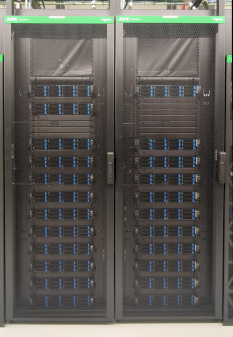
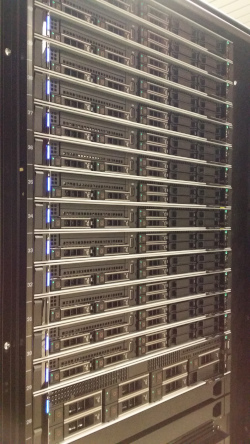
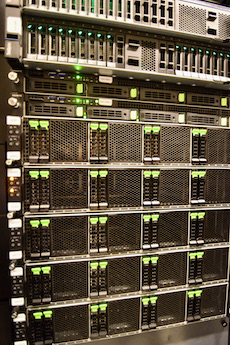
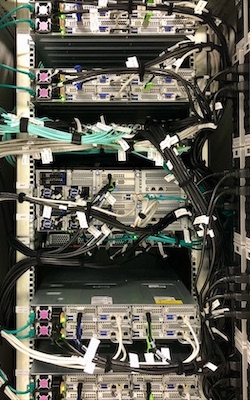
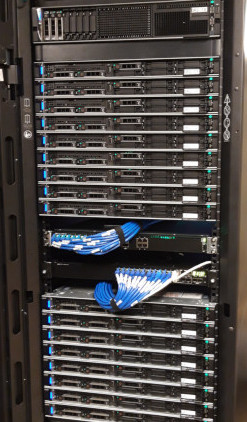
Theoretical and computational chemistry is a cornerstone of the LMTC. Through the CÉCI consortium (Consortium des Équipements de Calcul Intensif), we access five high-performance computing clusters across Belgian universities, totalling thousands of CPU and GPU cores for quantum chemical calculations, molecular dynamics, and large-scale cheminformatics.

Lyra cluster
Lyra
ULB · 1280 cores + 40× NVidia RTX 6000 GPU
Hyperconverged HPC infrastructure optimized for ML/AI and GPU-accelerated computing. Our home cluster at ULB.
Hercules2 cluster
Hercules 2
UNamur · 1024 cores + GPUs
Shared-memory and resource-intensive sequential jobs. Large RAM fat nodes (up to 2 TB) ideal for memory-demanding QM calculations.
Lemaître4 cluster
Lemaître 4
UCLouvain · 5120 cores · 320 TB
High-throughput MPI parallel jobs on AMD EPYC Genoa CPUs. Excellent for large-scale ORCA/Gaussian DFT runs.
NIC5 cluster
NIC 5
ULiège · 4672 cores · 520 TB
Massively parallel MPI cluster on HDR Infiniband. Fat nodes up to 1 TB RAM available for demanding correlated methods (MP2, DLPNO).
Dragon2 cluster
Dragon 2
UMons · 592 cores + V100 GPUs
Long-running jobs (up to 21 days) with NVidia Tesla V100 GPUs. Ideal for extended molecular dynamics simulations and neural network potentials.

Core Facilities

Beyond our in-house infrastructure, we regularly access world-class core facilities at ULB and partner institutions for specialized analyses.

CIREM NMR
ULB · NMR Spectroscopy
CIREM — Centre d'Instrumentation en REsonance Magnétique
The LMTC is a heavy user of ULB's NMR core facility, which houses four high-field spectrometers — two JEOL JNM-ECZ systems (400 and 600 MHz) at the Plaine campus, and Bruker and Varian instruments (300 and 400 MHz) at Solbosch. Prof. Berger sits on the CIREM directing committee, reflecting our deep engagement with this facility. Routine ¹H, ¹³C, DEPT, COSY, HSQC, HMBC, NOESY and variable-temperature experiments are performed here for full structural characterization of novel molecules, including complex multinuclear experiments on our metal complexes.
BRIGHTcore sequencer
VUB / ULB · Genomics
BRIGHTcore — Genomics Core Facility
We access the BRIGHTcore sequencing facility (VUB/ULB) for transcriptomic and genomic analyses — including RNA-seq for immune gene expression profiling, whole genome sequencing, single-cell sequencing, and NGS-based validation in the context of our cancer immunotherapy studies. BRIGHTcore operates a comprehensive instrument fleet including MGI DNBSEQ-T7, Illumina NovaSeq 6000, MiSeq, and NanoPore long-read sequencers, providing high-quality, rapid-turnaround sequencing that complements our in-house molecular biology capabilities.
ULB · Mass Spectrometry
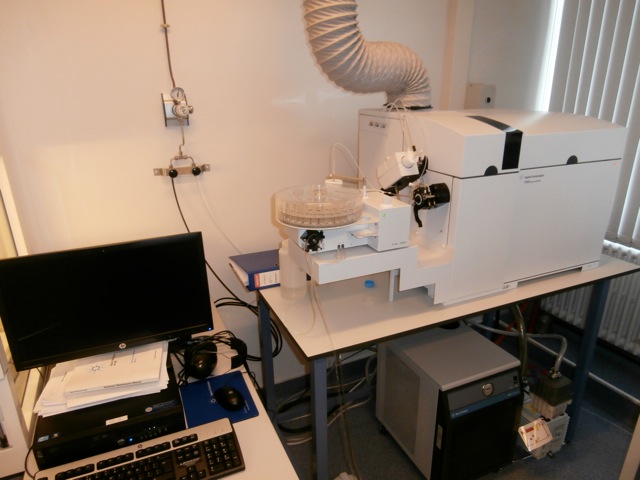
G-Time Laboratory — Quadrupole ICP-MS
Agilent 7700 ICP-MS
We access G-Time's Agilent 7700 quadrupole ICP-MS for elemental and trace metal analysis — directly relevant for characterization of our metal-based anticancer complexes (platinum, gold, ruthenium, osmium) and quantification of metal uptake in biological samples. G-Time operates class-100 and class-1000 clean laboratories and offers dissolution by acid digestion or alkaline fusion, enabling precise multi-element quantification down to trace concentrations.

International
Collaborations

The LMTC maintains active research collaborations with world-leading groups at the interface of chemistry, biology, and medicine — from cancer immunotherapy and brain tumors to inorganic medicinal chemistry and chemical biology.

Cancer Immunotherapy & Oncology
Dana-Farber / Harvard · USA
Active
Dana-Farber Cancer Institute & Harvard Medical School
Cancer immunotherapy and innate immunity; STING pathway activation; tumor microenvironment modeling. Key joint work on STING agonism in glioblastoma (PNAS 2022).
Brown University · USA
Active
Brain Cancer Therapy Lab, Legorreta Cancer Center
Brain cancer biology and glioblastoma; innate immune mechanisms for brain tumor immunotherapy; drug delivery across the blood-brain barrier.
Harvard / Wyss Institute · USA
Active
Harvard SEAS & Wyss Institute for Biologically Inspired Engineering
Smart biomaterials, cancer immunotherapy, immunoengineering; biomaterial-based cancer vaccines; drug delivery scaffolds for localized immunostimulation.
ULB · Belgium
Active
ULB Center for Research in Immunology (U-CRI)
Immunology; γδ T cell biology, development and cancer immunosurveillance; innate lymphocyte responses in infection and tumor contexts.
Jules Bordet / ULB · Belgium
Active
Radiobiology Research Unit, Institut Jules Bordet
Radiotherapy for cancer; radio-immunotherapy combinations; radiobiology, DNA damage response; abscopal effects and FLASH radiotherapy.
Neurosurgery & Brain Cancer Therapy
Harvard Medical School · USA
Active
Harvey W. Cushing Prof. of Neurosurgery, Brigham & Women's / Harvard
Brain cancer gene and viral therapies; oncolytic viruses for glioma; immunotherapeutic approaches for GBM; non-coding RNA in tumor biology.
Chemical Biology & Medicinal Chemistry
Chimie ParisTech · France
Active
Gasser Group — Inorganic Chemical Biology, PSL University / CNRS
Organometallic and medicinal inorganic chemistry; metal complexes as anticancer agents; photodynamic therapy; PNA bioconjugates and halogen bonding.
University of Kentucky · USA
Active
Awuah Research Laboratory, Department of Chemistry
Organometallic and medicinal inorganic chemistry; gold complexes as anticancer agents; chemical immunology; computer-aided drug design and CRISPR-based tools.
MIT · USA
Active
Pentelute Lab, MIT Department of Chemistry
Peptide and protein chemistry; automated fast-flow peptide synthesis; protein bioconjugation; intracellular delivery via anthrax toxin platform; peptidomimetic drug discovery.
Université de Montréal · Canada
Hanessian Group, Département de chimie, UdeM
Organic, bioorganic and medicinal chemistry; total synthesis of natural products; Chiron approach to asymmetric synthesis; antibiotic and antiviral drug design.
FRS-FNRS Grant Legend
PDR — Projet de Recherche (2023) EQP — Equipement (2024) TLV — Télévie (2026) Active — active collaboration on the funded topic